

Outsourced Organizational Ombuds
MWI’s Outsourced Organizational Ombuds service provides companies and universities with independent, informal, impartial, and confidential services that help visitors (employees, faculty, staff, and students) raise and resolve issues within their organization. An ombuds:
- Is available to all visitors to surface, address, and resolve various problems and issues.
- Connects visitors to resources to resolve issues and better understand policies, guidelines, and organizational structure.
- Acts as a confidential and informal contact to resolve concerns
- Maintains strict confidentiality (except where there is an imminent threat of harm).
- Does not keep records on individuals but does keep and provide anonymized feedback to leadership.
Meet the Ombuds Team
-
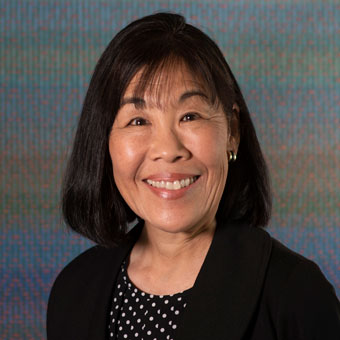 Maureen Brodie
 -
 Dina Eisenberg
 -
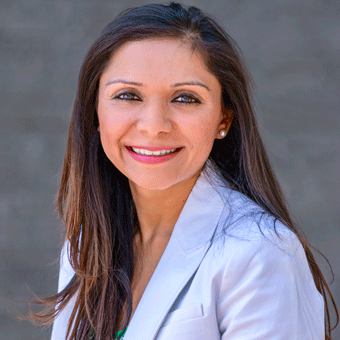 Bina Patel
 -
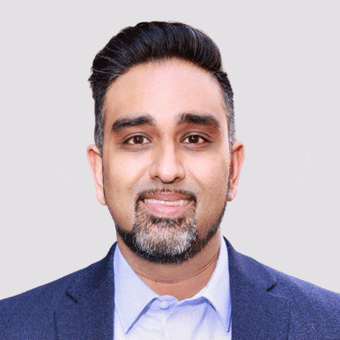 Alnoor Maherali
 -
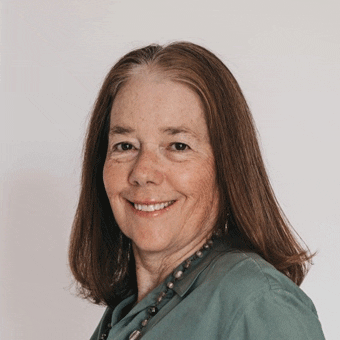 Tera Bisbee
 -
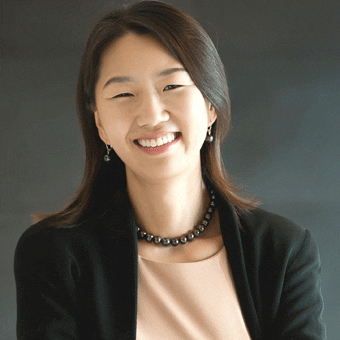 Charmhee Kim
 -
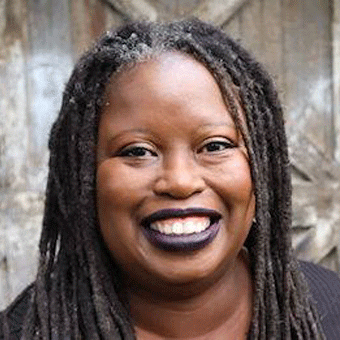 Bathabile Mthombeni
 -
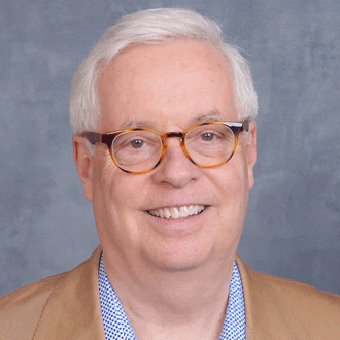 Larry Hunt
 -
 Chuck Doran
 -
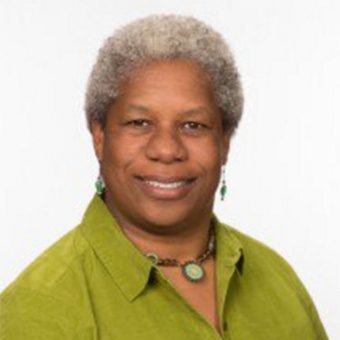 Nnena Odim
 -
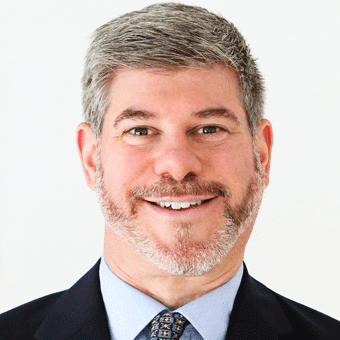 Josh Hoch
 -
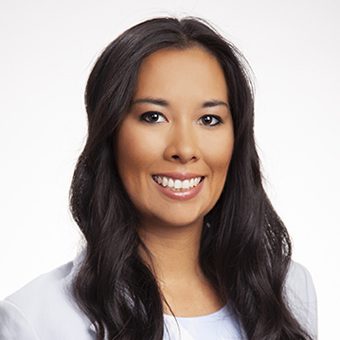 Diana R. Chiang
 -
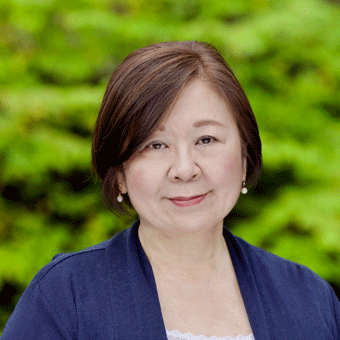 Keiko Suzuki
 -
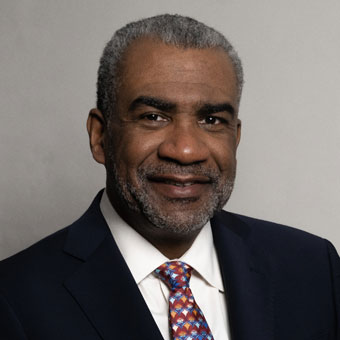 Ralph Johnson
 -
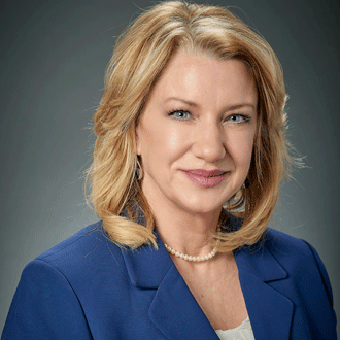 Kate Stewart
 -
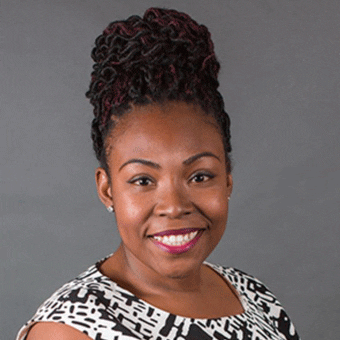 Allison Monyei Whaley
 -
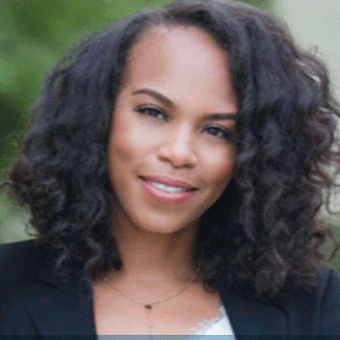 Jai Calloway
 -
 Michael Stephens
 -
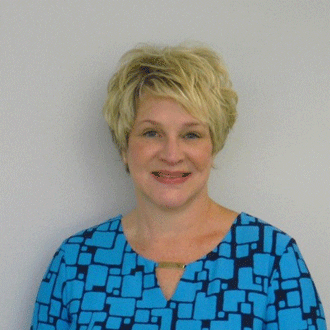 Kerry Egdorf
 -
 Brent Epperson
 -
 Tim Hedeen
 -
 Derrick Johnson
 -
 Anna Cybulko
 -
 Ellen Reardon
 -
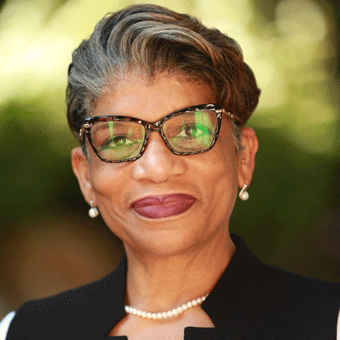 LaCrisia Gilbert
 -
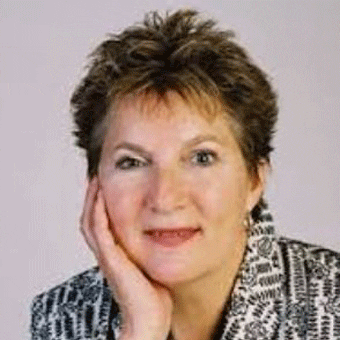 Rita Callahan
 -
 Birthe Reimers, Ph.D.
 -
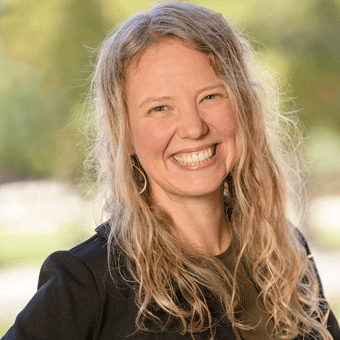 Caitlan Hendrickson
 -
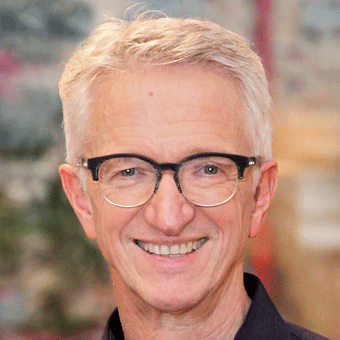 Willem Kweens
 -
 Jen G. Sims
 -
 Roy Baroff
 -
 Leslie Nelson-Kellogg

Outsourced Ombuds
maureen-ombuds@mwi.org
Maureen Brodie is an outsourced organizational ombuds with MWI. She has particular expertise in understanding the culture and addressing challenging dynamics in a healthcare environment, having worked at UC San Francisco for 14 years as an organizational ombuds. As a clinician-trained ombuds with a background in communication, Maureen has a unique perspective and appreciation for the increasing demands in the ever-changing landscape of healthcare delivery. She is an active member of the International Ombuds Association and a Certified Organizational Ombuds Practitioner (CO-OP), adhering to the Standards of Practice in the field. While providing services in an impartial manner, Maureen is an advocate for respect, fairness, and inclusion for all members of an organization. Prior to her work at UC San Francisco, Maureen served as the Senior Mediator at UC Davis for 14 years, providing mediation training and services to campus and health system faculty, clinicians, trainees, and staff. Throughout her career as an ombuds, Maureen incorporates collaborative coaching and learning to normalize conflict with the goal to achieve productive, self-determined outcomes.
Click here for more information
Outsourced Ombuds
dina-ombuds@mwi.org
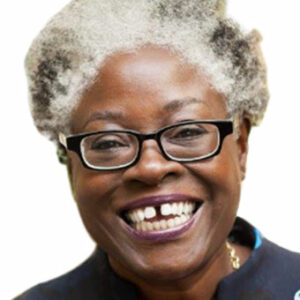
Dina Lynch Eisenberg, JD, MBA is an outsourced ombuds with MWI and is on a mission to introduce the benefits of Ombuds work to more tech companies. Former lawyer, she served as an Organizational Ombuds in a variety of settings, including tech companies, manufacturing, banking as well as colleges and universities. Dina most recently was the Global Head of Ombuds Services for Twitter, designed their program and served as inaugural Organizational Ombuds. With almost a quarter century of experience, Dina founded Ombudsology.com, an Ombuds Advisory firm that offers outsourced ombuds services to mid-sized companies and ombuds career counseling to aspiring ombuds. Her upcoming book, Fixable Culture, is an action guide to transform companies from toxic to trusting through Ombuds programs. Dina is a sought-after speaker and podcast guest. Her ombuds work appears in Entrepreneur and Inc magazines.
Click here for more information
Outsourced Ombuds
bina-ombuds@mwi.org
Bina Patel is an ombuds, facilitator, and conflict resolution practitioner with MWI. She earned her Doctorate in Conflict Resolution and Peacekeeping Analysis from Nova Southeastern University. Bina is a member of the International Ombuds Association (IOA) and completed IOA’s Foundations of Organizational Ombuds Practice Course. She serves on IOA’s Board of Directors and actively participates as a co-chair/volunteer for the IOA Annual Conference. Bina serves as an instructor for IOA’s core course on Cultural Understanding. Bina has served as an Organizational Ombuds at the Department of Defense, the US Army, and other federal/private/non-profit entities, specifically in emergency response, conflict zones, and governmental and non-profits. Bina’s experience and interests in conflict resolution extend to providing diversity, equity, inclusion, and multiculturalism trainings. Bina enjoys working with large complex systems offering ombuds consultations, services, and conflict coaching opportunities. Bina is a speaker, researcher, and publisher. Bina holds a Master’s in International Business and B.A. in Business Administration.
Click here for more information
Outsourced Ombuds
alnoor-ombuds@mwi.org
Alnoor Maherali is an ombuds, mediator, trainer, and consultant with MWI. He was trained in conflict resolution at the Harvard Kennedy School and currently works as an ombuds to help employees find the best options to solve workplace problems. He strives to help create a peaceful work environment for all employees by ensuring one’s important interests are well understood and addressed. Alnoor is also a skilled mediator and has helped resolve workplace disputes involving salary compensation, sexual harassment and company expansion/dissolution. In addition, he provides training to state and federal employees in crisis management and conflict resolution. He is a former diplomat with over 10 years of international experience between Canada, the USA, Afghanistan and Bangladesh making him an expert communicator and sensitive to issues of diversity, equity, and inclusion. His professional accomplishments include the negotiation of resolutions at the United Nations in Geneva and New York, after-action reviews of the responses to major crises, and important roles in the resolution of two high-profile hostage cases in Afghanistan. Alnoor was trained by the International Ombuds Association in the Foundations of Organizational Ombuds Practice course.
Click here for more informationOutsourced Ombuds
Tera Bisbee is an experienced Ombuds, mediator, facilitator, and trainer. She was the organizational Ombuds for seven years at Cal State University San Bernardino, where she provided services to students, faculty, staff, administrators, or anyone with a university-related concern. She has provided mediation, conflict interventions, and leadership development for higher education, corporations, and non-profit organizations. She also has a background in leadership coaching, specializing in coaching abrasive leaders to improve their interpersonal relationships and emotional intelligence skills. Tools she has employed to help individuals and organizations grow and increase their capabilities include 360 surveys based on leadership competencies and Leadership Effectiveness Training. She enjoys partnering with clients to create solutions, increase their competencies, and transform high-conflict or dysfunctional situations into healthy, effective, and productive ones. She has two Masters degrees, employee and labor relations experience, and has taught management and HR courses for the University of Redlands. She also likes writing and maintaining a sense of humor.
Click here for more information.
Outsourced Ombuds
charmhee-ombuds@mwi.org
Charmhee Kim is an experienced ombuds and cross-cultural trainer with MWI. She served as an ombuds for 15 years at McKinsey & Company, a global management consultancy, addressing workplace conflicts including harassment and discrimination claims, career development concerns, and other challenges. She has been an active member of the International Ombuds Association (IOA) since 2007 and was trained in its Foundations of Organizational Ombudsman Practice Course which she later taught as faculty. Charmhee served on the IOA Board of Directors and co-chaired its Global Marketing Task Force. Prior to entering the ombuds profession, Charmhee worked as a management consultant, investment banker, and public affairs specialist with the United Nations. She holds an MBA from the University of Pennsylvania’s Wharton School and an MA from Johns Hopkins University’s School of Advanced International Studies. Charmhee is trilingual in English, Korean, and Mandarin Chinese.
Click here for more information
Outsourced Ombuds
bathabile-ombuds@mwi.org
Bathabile K.S. Mthombeni is an experienced ombuds, mediator, consultant, and coach. She discovered the thrill of Alternative Dispute Resolution as a law student in 2004. In 2006 she accepted her first ombuds position and has been the University Ombudsman for Binghamton University since 2015. Bathabile provides DEIB policy development and implementation services to schools and other organizations. She also provides leadership coaching, facilitation, and racial intelligence and racial mindset coaching, training, and dialogue facilitation services to leadership teams and DEIB committees. In addition to her ombuds and other work, Bathabile is a skilled teacher and workshop facilitator. She has taught classes in negotiation, ombuds practice, and conflict management and dispute resolution at Binghamton University, Columbia University, and John Jay College. Bathabile earned her A.B. in Sociology, cum laude from Princeton University, her J.D. from Columbia Law School, and her coaching certificate and M.S. in Leadership and Organizational Development from the Naveen Jindal School of Management at the University of Texas at Dallas. She takes great joy in her work and finds her greatest satisfaction when she is helping her ombuds visitors and clients learn how to communicate better, resolve their differences, and find the highest expression of their best selves.
Click here for more information
Outsourced Ombuds
Larry Hunt is an ombuds with MWI and has worked as the Ombuds for Amherst College since 2019, following a career as HR Director for Smith College, Tufts University, and the J. Paul Getty Museum and Foundation. He has taught as an adjunct faculty member of the University of Massachusetts, Amherst Management School. He regularly works with staff, faculty and administrators in conflict coaching, facilitating conversations, mediating disputes, giving referrals and providing upward feedback to effect positive organizational change. Larry has spent his career helping people navigate their way through conflict situations. He brings extensive experience and a strong theoretical background in analyzing and mediating disputes at the interpersonal and organizational level. Larry completed the graduate certificate program in Conflict and Dispute Resolution at the University of Massachusetts, Boston and interned as a mediator in the court system. He was trained by the International Ombuds Association (IOA) in their Foundations of Organizational Ombuds Practice Course. He is an experienced executive and management coach and has consulted in this capacity and as a mediation and employee relations consultant for a wide variety of health care, education, and municipal organizations.
Click here for more information
Chuck Doran
Ombuds and Mediator | Certified Organizational Ombuds Practitioner (CO-OP)
617-895-4026 | chuck-ombuds@mwi.org
Chuck Doran is an experienced ombuds, mediator, and dispute resolution trainer. Chuck is a Certified Organizational Ombuds Practitioner (CO-OP) and a member of the International Ombudsman Association who completed ombuds training with the IOA in 1995. Chuck has served as an outsourced organizational ombuds for companies, universities, and other organizations since 1997. A mediator since 1992, he is a member of the CPR Dispute Resolution Panel of Distinguished Neutrals, the Equal Employment Opportunity Commission (EEOC), the Massachusetts Commission Against Discrimination (MCAD), MWI, the Harvard Mediation Program, and the United States Postal Service REDRESS I and REDRESS II Mediation Panels. In addition to his mediation work, Chuck works nationally and internationally as a dispute resolution trainer and consultant with corporate, governmental, and non-profit clients including Coca-Cola Enterprises, General Motors, Bose Corporation, and the Harvard Negotiation Project at Harvard Law School. Chuck has served as a teaching assistant on multiple occasions with Professor Roger Fisher at Harvard Law School’s Program of Instruction for Lawyers Negotiation Workshop. In 1993, Chuck completed a Specialization in Negotiation and Dispute Resolution at the Program on Negotiation and chaired two regional ADR Conferences in 1997 and 1999. Chuck served as a member of the Massachusetts Supreme Judicial Court Standing Committee on Dispute Resolution and was Chair of the Qualifications Subcommittee. He is a member of the Massachusetts Bar Association’s Dispute Resolution Advisory Group and is a past president of the Association for Conflict Resolution, New England Chapter. Chuck is also a Distinguished Fellow with the International Academy of Mediators (IAM) and a past president of IAM’s Board of Governors.
Click here to print, PDF and email this bio
Outsourced Ombuds
nnena-ombuds@mwi.org
Nnena Odim is a mediator, ombuds, attorney, trainer, and consultant. She has been mediating since 1997, and has mediated disputes involving issues such as employment, housing, business, consumer, academic/higher education, and the full range of family/domestic relations (divorce, unmarried parents, elder care, adoption, etc.). Nnena has also designed and/or led conflict management trainings for several local and national businesses and agencies, including the Boston Public Schools, Massachusetts Housing Authority, Neighborhood Works, Coca-Cola, and Netflix. In addition to her mediation and conflict resolution training background, Nnena is trained by the International Ombuds Association and has served as an ombuds for CVS, American Planning Association, and several local construction companies. After 25 years, Nnena has recently retired from Harvard Law School, where she was the Director and Senior Clinical Instructor of the Family/Domestic Violence Law Clinic at Harvard’s Legal Services Center. In addition to being an active practicing attorney in Massachusetts Family and Probate Courts, she provided experiential training to law students and taught them how to become effective and ethical attorneys.
Nnena has worked with the Harvard Mediation Program (HMP) and Harvard Program on Negotiation to provide trainings for students and community members, and to supervise Harvard Law School students in their mediation and negotiation studies. She served as a faculty and coach of mediation skills for trainings at Suffolk and Boston College Law Schools, MIT, and New England School of Law. Nnena has also served on numerous panels and speaking rosters for a variety of topics, including those on self-care and mental health for students and faculty, establishing boundaries in a professional setting, race and gender, and LGBTQ+ rights.
Nnena is a member of the HMP Advisory Board. In 2019, Nnena was honored by the Harvard Women’s Law Association International Committee. In 2015, she received the Harvard Law School Dean’s Award for Excellence, and in 2013, Nnena was a Top Women in the Law award recipient from Mass. Lawyers Weekly.
Click here for more information
Ombuds, Mediator, Trainer, Director
617-895-4028 | jhoch@mwi.org
Click here for availability, rates, and more information.
Josh Hoch is an ombuds, mediator, and instructor and is the Director of Ombuds & Mediation Services at MWI. As Director of Ombuds & Mediation Services, Josh manages MWI’s Outsourced Ombuds Panel and has worked as an outsourced organizational ombuds for clients including CVS Health and John Moriarty & Associates. He works with companies interested in starting an ombuds program or hiring conference ombuds. Josh also travels to MWI’s ombuds client sites to meet with senior leadership to educate employees about the role of the ombuds and how to access ombuds. Josh has been an active mediator since 2001 for various case types, including workplace and employment cases, and is a mediation trainer who leads advanced mediation training programs for clients, including the Executive Office of the Massachusetts Trial Court and Community Mediation Programs. Josh is a member of the International Ombuds Association (IOA).
Click here to schedule time with Josh.
Focus Areas
- Organizational Ombuds
- Conference Ombuds
- Workplace and Employment Mediation
- Mediation Trainer
- Advanced Mediation Trainer
Honors, Memberships, and Professional Activities
- Outsourced Organizational Ombuds, Arapahoe Basin, (November 2023 – present)
- Outsourced Organizational Ombuds, John Moriarty & Associates (March 2022 – present)
- Board of Directors, North and South Rivers Watershed Association (October 2022 – Present)
- Director of Ombuds at MWI (September 2021 – present)
- Ombuds, CVS Health Ombuds Team Member (March 2022 – December 2022)
- Member of the International Ombudsman Association (IOA) (September 2021 – present)
- Workplace & Employment Mediator, CLC Inc., Granite Bay, CA, (June 2022 – Present)
- World Mediators Alliance on Climate Change Green Pledge (July 2021 – present)
- Designed and administered a court-approved Parent Education Program for the Massachusetts Probate and Family Court Department (2016 – 2021)
- Speaker, New England Association of Conflict Resolution (April 2021)
- Designed and supervised a mediation program at the Norfolk Probate and Family Court (September 2013 – 2020)
- Served on the Assistant Judicial Case Manager (AJCM) Transition Working Group for the Chief Justice of the Probate and Family Court in 2019
- Served on the ADR Education Subcommittee for the Massachusetts Trial Court in 2019
- Received recognition for outstanding performance and lasting contributions to the MA AFCC Chapter
- Served for six years – Board of Directors, Massachusetts Oyster Project
- Served for seven years – Board of Directors of the Massachusetts Chapter of AFCC
- Past Member of the Association of Family and Conciliation Courts
- Past Member of the Massachusetts Chapter of the Association of Family and Conciliation Courts
- Past Member of the Massachusetts Council on Family Mediation
- Organizational Member of the New England Chapter of the Association for Conflict Resolution
- Served as Treasurer for an annual fundraiser for Jimmy Fund Clinic patients and their families, helping to raise over $500,000
Lectures and ADR Trainings Conducted
- Conference Presenter: Exploring the Growing Trend of Outsourced Organizational Ombuds: Navigating Opportunities and Challenges, Saint Paul University Annual Symposium on Conflict Resolution, (May 2024)
- Conciliation Trainer: On-Line Conciliation Training Program for the Massachusetts Trial Court, Probate and Family Court Department (December 2023 and March 2024)
- World Café: Breakout Room Facilitator, Massachusetts Bar Association, “Taking Steps to Address Barriers to Diversity, Equity and Inclusion in Dispute Resolution” (February 2024)
- Presenter, Organizational Ombuds as a Profession, Things a Mediator Might Want to Know About This Unique Role, Rhode Island Mediators Association (April 2023)
- Presenter, Tools for Becoming a More Effective Mediator, Community Dispute Settlement Center (March 2023)
- Understanding the Ombuds Resource On-site at MWI client locations (October 2021 – present)
- Mediation Training Program Trainer for Staff of the Boston Municipal Court Department, Executive Office of the Massachusetts Trial Court (June 2022 – present)
- Harassment Prevention Mediation Training Program Facilitator for Mediation Programs in the Juvenile Court Department, Executive Office of the Massachusetts Trial Court (June 2022 – present)
- Dispute Resolution Training Program Trainer for Probate and Family Court Staff, Executive Office of the Massachusetts Trial Court (June 2022 – present)
- Advanced Divorce Mediation Training Instructor (April 2005 – June 2022)
- Provided individual mentoring to mediators looking to increase their effectiveness as mediators (2003 – June 2022)
- Advanced Mediation Skill Building Trainer for a Community Mediation Program (January 2022)
- Facilitator, Implicit Bias Workshop (May 2021)
- Trainer, Basic Mediation Training Program for the Housing Court Department of the Massachusetts Trial Court (October 2021)
- Trainer, Advanced Dispute Resolution Training for Probation Officers of the Probate and Family Court (March & June 2021)
- Trainer, Juvenile Mediation Training, 2-day Advanced Mediation Training Program (March 2021)
- Presenter, Bringing Mediation Online: Lessons Learned So Far, Massachusetts Council for Family Mediation (February 2021)
- Trainer, Housing, and Eviction Mediation Training for five Massachusetts Community Mediation Centers (December 2020 – January 2021)
- Presenter, Mediating Cases Remotely (Online), Roundtable Event (November 2020)
- Designed and served as an instructor for an Advanced Dispute Resolution Training Program for Probation Officers of the Probate and Family Court. (May 2019 – June 2021)
- Norfolk Probate and Family Court Department, mediation program mentor and supervisor (2013 – 2020)
- AFCC’s 54th Annual Conference: Turning the Kaleidoscope of Family Conflict into a Prism of Harmony, Conference Presenter (May 2017)
- Community Dispute Settlement Center (CDSC), Housing Mediation Trainer (February 2017)
- International Academic Institute of Mediation, Conference Presenter, Divorce Mediation in the Courts, (September 2015)
- Advanced Refresher Mediation Skills Training Program, Presenter (2015 – 2016)
- New England Chapter of the Association for Conflict Resolution Biennial Regional Conference, Presenter, “I’m a Trained Mediator, Now What do I Do?” (June 2015)
- Massachusetts Council on Family Mediation, Presenter, On-site mediation project in the Norfolk Probate and Family Court Department, (2014)
- Emerson College, Guest Speaker (2014 – 2016)
- New England Law | Boston, Ethical Standards, Presenter, (2005 – 2013)
- Liaison for Fletcher School of Law and Diplomacy Mediation Practicum (2001 – 2011)
- A Child’s Voice in Court: How to Get It, How to Interpret It and How to Use It, Panel Speaker, (2008)
- Coca-Cola Enterprise Inc., Trainer. Trained over 950 employees in dispute resolution and communication skills and educated over 1700 employees through briefings (Florida, Georgia, Louisiana, Texas, New York, Vermont) (2004 – 2006)
- Harvard Law School, Intern Fair, Cambridge, MA, Presenter, (2005)
- Simmons College Graduate School of Social Work, Guest Lecturer, Parent-Teen Mediation (2004)
- Boston University Law School, Court Connected ADR, Guest Speaker, (2003 – 2008)
- Hale and Dorr Legal Services Center, Divorce Mediation Presenter, (2003 – 2004)
- Newton and Lexington Community Education, Presenter: Divorce Information You Want to Know, (2003 – 2005)
- Germaine Lawrence, Family Communication Workshop, Facilitator, (2001 – 2005)
- Southern New England School of Law, Mediation Trainer and Coach (2001 – 2004)
- Northeastern University, undergraduate class, Guest Speaker (2001 – 2002)
Background and Education
- Director of Ombuds Services, MWI (September 2021 – Present)
- Director of Mediation Services, MWI, Boston, MA, (June 2001 – Present)
- Organizational Ombuds Training, IOA, (October 2021)
- Divorce Mediator, MWI, Boston, MA, (2001 – June 2022)
- Divorce Mediator, CLC Inc., Granite Bay, CA, (2004 – June 2022)
- Court & Divorce Mediator, Cambridge, MA, (2001 – 2012)
- Boston Municipal Court Mediator, Boston, MA, (2004 – 2007)
- Prisoner Disputes Mediator, Middlesex Multi-Door Courthouse, Cambridge, MA, (2003 – 2005)
- District Court Mediator, Middlesex Mediation Program, Lowell, MA, (2000 – 2001)
- Staff Member, Academy of Family Mediators, 2000
- B.A. University of Massachusetts at Amherst, 1998
- Mediation Training, L. Wing Mediation Consulting, 1996
Click here for availability, rates, and more information
Ombuds, Mediation, and Trainer
617-895-4029 | dchiang@mwi.org
Click here for availability, rates, and more information
Diana Chiang is a Mediator and Manager of Commercial & Corporate Programs at Mediation Works, Inc. (MWI). As a mediator, Ms. Chiang has mediated a variety of cases in Massachusetts District, Municipal, and Probate & Family Courts, harassment prevention orders, corporate & workplace, and housing/eviction cases.
Diana is also a member of MWI’s training faculty and leads corporate and academic ADR training programs. Diana has a certification in Applied Positive Psychology and is an accredited ACTP Coach through The Flourishing Center and also serves on the Board of Directors of the New England Association for Conflict Resolution.
She earned a B.A. in Sociology & Justice Studies from the University of New Hampshire and a J.D. from Suffolk University Law School. Diana was an Adjunct Professor at the University of New Hampshire, before teaching negotiation at Suffolk University Law School.
Focus Areas
- Organizational Ombuds
- Basic and Advanced Mediation Trainer
- Corporate & Workplace Mediation
- EAP Mediation and Training
- Housing and Eviction Mediation and Training
Honors, Memberships, and Professional Activities
- Board of Directors of the New England Association for Conflict Resolution
- Adjunct Professor at the University of New Hampshire
- Suffolk University Law School, Negotiation Instructor
Lectures and ADR Trainings Conducted
- Executive Office of the Massachusetts Trial Court – Mediation Trainer
- Collaborative Communication, Lead Trainer
- Active Listening Skills – Ombuds Client
- Advanced Dispute Resolution Training Programs for Probation Officers of the Probate and Family Court, Instructor
- Fletcher School of Law and Diplomacy, Mediation Training, Lead Trainer
- 40 Hour Mediation Training Programs, Mediation Trainer
- Multiple Mediation Training Programs, Coach
Background and Education
- J.D. from Suffolk University Law School
- Advanced Divorce & Family Mediation Training
- Massachusetts Mediation Training, Trained Mediator
- B.A. in Sociology & Justice Studies from the University of New Hampshire
Click here for availability, rates, and more information
Click here to print, PDF and email this bio
Outsourced Ombuds
keiko-ombuds@mwi.org
Keiko Suzuki is an Outsourced Organizational Ombuds with MWI. She has extensive experience in human resource management, executive coaching, mediation, training, and consulting throughout her twenty-year career with JPMorgan, General Electric, and Estee Lauder Group of Companies in Tokyo and New York City. As a consultant, Keiko has experience with a broad spectrum of clients including major Japanese and foreign finance, consumer goods, telecommunication, recruiting, and pharmaceutical companies. Keiko specializes in a range of organizational and management development solutions including assessment, change strategy formation, leadership development, offsite meeting facilitation, performance management, and career development. Keiko works directly with senior managers in a coaching capacity, as well as engages in other training and development methods for improving communication, coaching skills, feedback, change management, and diversity & inclusion. Keiko completed the Ombuds Foundations Course with the International Ombuds Association in 2016. Since 2015, she has taught mediation at Kumamoto University and conflict coaching at the Hitotsubashi University Business School (ICS). Keiko is a trained and certified coach (ICF, GTCI Team Coach, NLP & Processwork), EAP counselor, and mediator. She is a practitioner of psychometric assessment instruments including Situational Leadership, Team Management Profile, Strength Development Inventory, Lumina Spark, and Personnel Decisions International Assessment.
Click here for more information
Outsourced Ombuds
Ralph Johnson, is an experienced Ombuds and trainer with MWI. He served as the America Ombuds for 10 years at McKinsey & Company, a global management consultancy, where he helped colleagues address workplace conflicts, including claims of harassment and/or discrimination, career advancement, and personal challenges. He was an active member of the International Ombuds Association and served as a core faculty member for the Foundations of Organizational Ombuds Practice course. Ralph began his career at General Motors where he worked as an engineer, manufacturing foreman, and general foreman. He managed several machining and final assembly departments with 44 hourly (UAW) employees under his supervision. He spent most of his career at McKinsey where he was a management consultant, left the firm for three years to head the Cuyahoga (Cleveland) County Welfare Reform Department, then returned to be people leader for McKinsey’s Operations Practice and people/administrative leader for McKinsey’s Social Sector Office, executive coach in McKinsey’s Black Executive Leadership Program, and senior member of the global McKinsey Black Network. After a 26-year career at McKinsey, he recently served two years as CEO of Breakthrough Public Schools, a network of public charter schools educating over 3,000 elementary students in Cleveland. He holds an MBA from the University of Michigan’s Ross School of Business, a BS in Industrial Engineering from Kettering University, and a BS in Business Administration from Aquinas College.
Click here for more information
Outsourced Ombuds
Kate Stewart, PhD, MBA, is a seasoned ombuds, executive coach, facilitator, trainer, and conflict management practitioner. For over 25 years, she has transformed conflict into opportunity in national and international environments, designing conflict management systems and ombuds services and guiding individuals, teams, and organizations to collaboratively craft solutions far better than compromise. Her expertise in decision-support (red teaming) and narrative theory enables her to excel in multiparty, complex, and multicultural contexts. Kate is a recognized author (Storied Conflict Talk: Narrative Construction in Mediation, John Benjamins Publishing Company) and public speaker. Currently a faculty member at Montana State University Business School, Kate teaches Negotiation, Strategic Communication, Mediation, and Collaboration Skills in leading universities and companies. Her PhD in Organizational Communication, MBA, and MA in Middle Eastern Studies are from UT Austin. She holds a BA in Cultural Anthropology, studied at the Harvard Program on Negotiation, and completed the Graduate Portfolio in Dispute Resolution at UT Austin, where she also co-founded and directed the Project on Conflict Resolution. Kate is a Certified Virtual Facilitator, Certified Mediator, and long-time member of IOA.
Click here for more information
Outsourced Ombuds
allison-ombuds@mwi.org
Allison Monyei Whaley is an ombuds, mediator, and dispute resolution trainer. She earned her Juris Doctorate from Mercer University School of Law. Allison is a member of the International Ombudsman Association (IOA) and completed IOA’s Foundations of Organizational Ombudsman Practice Course. She is also a Certified Organizational Ombudsman Practitioner (CO-OP) and serves on IOA’s CO-OP Board of Directors. Allison has served as an Organizational Ombuds at Clemson University and at Montgomery College, where she provides services to all employees, including faculty, staff and administrators. Prior to ombudsing in higher education, Allison was an external-facing ombuds for the U.S. Food and Drug Administration, where she provided confidential ombuds services to businesses and corporations that were collaborating with the government as regulated entities. Before entering the ombuds profession, she worked as a nonprofit attorney, advocating on behalf of our nation’s veterans and their families. Several times in her career, Allison has been recognized as a leader having been selected for the President’s Leadership Institute at Clemson University, the FDA’s Leading for Results Leadership Development Program, and the FDA’s Leading at All Levels Aspiring Leaders Program. She is co-chair of the American Bar Association Dispute Resolution Section Ombuds Committee and a member of and the administrator for the Black Ombuds Network.
Click here for more information
Outsourced Ombuds
jai-ombuds@mwi.org
Jai Calloway is an experienced, people‐focused ombuds with a mission to redefine the way people understand and work together by harnessing the power of difference. Jai has spent over ten years working and studying conflict resolution methodology and its intersection with diversity and inclusion within organizational settings. Jai previously served as Corporate Ombuds for Halliburton Oil Services and serves as an external organizational ombuds for small businesses cross‐industry. She is an alumnus of the Pepperdine Caruso School of Law – Straus Institute of Dispute Resolution. Jai was Vice‐Chair of the American Bar Association Dispute Resolution Section and was Chair of the International Ombuds Association Diversity, Equity, Inclusion and Belonging (DEIB) Task Force. In addition to her work as an ombuds, Jai works as an organizational development consultant where her focuses are conflict resolution, employee engagement and diversity & inclusion.
Click here for more information
Outsourced Ombuds
michael-ombuds@mwi.org
Michael Stephens is an experienced ombuds, mediator and coach with the goal of helping foster good working relations and a more positive culture in the organizations he serves. Michael is a member of the International Ombudsman Association, and has significant experience as an ombuds in both both corporate and academic settings. Michael has a certification in Mediation from the Mediation Training Institute. Michael worked for many years as an Ombuds, as well as the manager of other Ombuds, at Merck, a multi-national pharmaceutical company. Prior to that he had many years of experience in Human Resources roles at Merck and several other companies. After retiring from Merck, he has served as ombuds for Amherst College as well as Smith College. Michael is also an experienced facilitator and workshop leader, specializing in communications skills, conflict resolution and change management. He has a bachelor’s degree in English from the University of Colorado and a Masters in Business Administration from New York University.
Click here for more information
Outsourced Ombuds
Kerry Egdorf became an organizational ombuds in 2007, working at Marquette University, then as an independent contractor at Milwaukee Area Technical College. Her academic training includes a doctorate in organizational communication from Ohio University and a graduate certificate in dispute resolution from Marquette. As a faculty member for 24 years, she taught undergraduate and graduate courses in communication, conflict resolution, and mediation at Creighton University, the University of Wisconsin Milwaukee, and at Marquette. Kerry has also provided communication and conflict training and consulting to a number of Milwaukee-area nonprofits. Before receiving her doctorate, she was a property human resource manager and a corporate HRIS manager with Marriott Hotels and Resorts. Kerry’s contributions to the ombuds profession include making presentations, conducting training and serving on committees and in leadership roles in the International Ombudsman Association, the California Caucus of College and University Ombuds, and the Summer Meeting of Academic Ombuds. Kerry is a member of the International Ombuds Association and completed the IOA foundations training. She served seven years in both elected and appointed roles on the IOA Board of Directors.
Click here for more information
Outsourced Ombuds
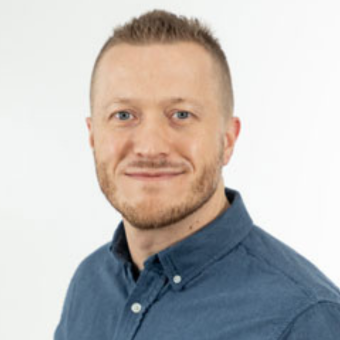
Brent Epperson, MPA, PhD is an outsourced ombuds with MWI. A practicing ombuds for 10 years in North America and Europe, Brent is passionate about good governance and developing healthy workplace cultures. An Assistant Professor of Conflict Studies at Saint Paul University, in Ottawa, Ontario, Brent teaches and publishes in the areas of ombuds practice, mediation, good governance (health and higher education sectors), issue framing, and policy development to promote diversity, equity, inclusion, and belonging (DEIB). Brent has ombuds experience in the higher education, financial, and health care industries. He completed his Master of Public Administration at the University of Montana (U.S.), his PhD at the University of Alberta (Canada), and his postdoctoral work at the Centre national de la recherche scientifique (CNRS, France). A Board Member of the European Network of Ombuds in Higher Education (ENOHE), Associate Member of the Association of Canadian College and University Ombuds (ACCUO), and Member of the International Ombuds Association (IOA), he is active in the global ombuds community and committed to expanding ombuds practice to help organizations create more effective conflict management systems. He is fully bilingual in English and French.
Click here for more information
Outsourced Ombuds
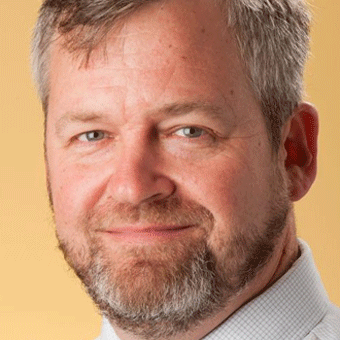
Timothy Hedeen is an ombuds and mediator with MWI. Tim’s an experienced ombuds, mediator, and facilitator, as well as a researcher and evaluator of ombuds offices and dispute resolution systems. He serves on the editorial board of Conflict Resolution Quarterly and as a senior consultant to the National Center on Appropriate Dispute Resolution in Special Education. He formerly served on the Commission on Dispute Resolution of the Georgia Supreme Court, on the Section Council of the American Bar Association’s Section of Dispute Resolution, and as co-chair of the Board of Directors of the National Association for Community Mediation. He’s an active member of the International Ombudsman Association.
Click here for more information
Outsourced Ombuds
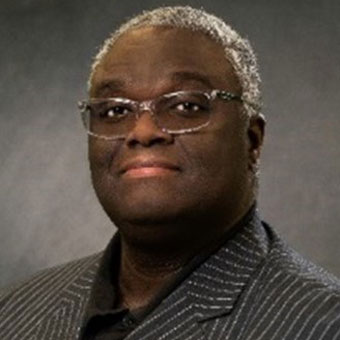
Derrick Johnson is a member of MWI’s Outsourced Ombuds Panel and has served as an ombuds at Florida State College at Jacksonville since 2018. Derrick has worked in the areas of education as a manager of student services and counseling in substance abuse, juvenile justice, and vocational rehabilitation, for over 15 years. Derrick is an experienced service professional in the educational field who has partnered with students, parents, faculty, staff and administration to offer superior quality services in assisting stakeholders with navigating their academic, and social conflicts. After spending over a decade working in education and counseling, background informs his work as an ombuds, namely, to assist visitors and help clients develop policies and processes that continue to build equality among program stakeholders. Derrick is completing a Doctoral degree (Ed. D.) in educational innovation at the University of South Florida. He earned a bachelor’s degree in Sociology from Georgia Southwestern State University and a master’s degree in education counseling from Albany State University in Georgia.
Click here for more information
Outsourced Ombuds
anna-ombuds@mwi.org
Anna Cybulko is an outsourced organizational ombuds with MWI. She was appointed to serve as an ombuds at the University of Warsaw in 2011. She holds two M.A. diplomas: in law, and in psychology, as well as PhD in social studies. Her area of expertise encompasses conflict management and alternative dispute resolution, interpersonal communication, discrimination, bullying and harassment. As an ombuds she supports the academic community in conflict management, intervenes when there is a breach of law or ethics, helps dealing with discrimination and harassment cases. Besides her work as an ombudsman, she is a mediator, moderator, academic teacher and social skills coach. She mediates and facilitates agreements in civil, family, commercial, and labor disputes. She also conducts mediations in social and organizational disputes. Her expertise includes facilitating discussions and debates and dealing with multiparty community conflicts. In this area she cooperates with local governments, including that of the City of Warsaw. Since 2006 she collaborates on permanent basis with Center for Disputes and Conflicts Resolution at the Faculty of Law and Administration, of the University of Warsaw (Centrum Rozwiązywania Sporów i Konfliktow przy Wydziale Prawa i Administracji Uniwersytetu Warszawskiego). She is a member and former vice-president of the Family Mediators’ Association (Stowarzyszenie Mediatorów Rodzinnych – SMR), a board member of European Network of Ombuds in Higher Education (ENOHE) and EU expert for gender equality. Anna is fluent in Polish and English and is based in Warsaw.
Click here for more information
Outsourced Ombuds
ellen-ombuds@mwi.org
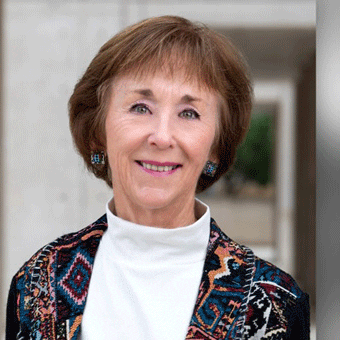
Ellen Reardon is an Outsourced Organizational Ombuds with MWI. She has specialized in hospital settings and the corporate world since 2009. With a Master’s degree in Psychiatric Nursing from Case Western Reserve University, she brings a unique perspective and deep understanding to her work. Ellen’s experience in healthcare organizations, including her tenure at Kaiser Permanente in San Diego, has provided her with valuable insights into the complexities of these environments and honed her ability to navigate challenging situations effectively. Ellen’s commitment to her field is evident through her active membership in the International Ombuds Association (IOA) and her certification as a Certified Organizational Ombuds Practitioner (CO-OP). Her proven track record, combined with her empathetic approach, positions her as a valuable asset to organizations seeking to enhance communication, resolve conflicts, promote inclusivity, and foster resilience in the workplace. In addition to her role as an Organizational Ombuds, Ellen excels in executive leadership coaching, supporting corporate leaders and faculty in reaching their full potential. Ellen’s dedication to diversity, equity, and inclusion is a hallmark of her work. She assists organizations in developing strategies and practices that foster a culture of respect, ensuring that every member feels valued and heard. Ellen introduced and developed the role of Ombuds at the Salk Research Institute, and provided Ombuds services to a diverse range of individuals, including faculty, postdocs, graduate students, staff, and administrators.
Click here for more information
Outsourced Ombuds
cris-ombuds@mwi.org
LaCrisia “Cris” Gilbert, MDR, is a member of MWI’s ombuds panel and has served as both an organizational and advocate ombuds. Her ombuds career started in 2012 as an advocate ombuds in the State of Texas where she advocated for residents in long-term care and assisted living facilities, working closely with regulatory and individual facilities and their administrations. Utilizing over 30 years in the ADR field as a mediator, facilitator (specializing in Faith-based organizations), professor and trainer, Cris was instrumental in resolving conflicts at all levels from family, civil court cases to facility issues. Cris has served as an organizational ombudsman with a university, assisting faculty, staff, and students as well as training compliance investigators in mediation, conflict resolution, and DEI initiatives for the organization. She has also worked as a facilitator, assisting HR and Compliance with informal resolutions. She serves in Diversity, Equity and Inclusion (DEI) on two campus initiatives (the President’s DEI Council and Social Justice, Equity and Inclusion Council).
Click here for more information
Outsourced Ombuds
rita-ombuds@mwi.org
Rita Callahan is an ombuds with MWI. She has over 20 years’ experience as an organizational ombuds and conflict management consultant offering conflict resolution and collaboration services as a neutral 3rd party in diverse organizations in different industries. Over 5 years’ experience as an organizational ombuds in 3 academic institutions and 2 federal agencies. Adheres to the standards of practice of the International Ombudsman Association and designated as Certified Organizational Ombuds Practitioner (CO-OP®) since 2015. In addition, over 7 years providing ombuds services (without the “Ombuds” title) including the full range of conflict resolution services, climate assessments, process design, team development, collaborative meetings, and designing organizational strategies to address systemic organizational issues in a complex, multicultural, unionized company of 15,000 employees. Provides impartial, informal, independent and confidential conflict management services to constituencies including staff, faculty, students, trainees, and federal and industry employees. Thirteen years’ experience providing conflict management and collaboration services as an external consultant and professional neutral to diverse organizations in different industries. Extensive practical experience addressing and preventing potential formal complaints and escalating conflicts, and delivering a range of conflict management and collaboration services at all organizational levels while developing trusted relationships with senior leaders in varied organizations and industries to provide feedback, make recommendations, and open communication to address systemic problems and issues.
Outsourced Ombuds
Birthe C. Reimers, Ph.D., is the 2023 recipient of the Association for Conflict Resolution’s William J. Kreidler Award for Distinguished Service to Expanding Knowledge in the Field of Conflict Resolution. Birthe is an ombuds, mediator, coach, and published conflict scholar-practitioner with 16 years of experience in the field. She earned her Ph.D. in International Conflict Management from Kennesaw State University in 2015 and has been an Ombuds as well as a member of the International Ombuds Association since 2016. Since January 2018, she has been directing the Office of the Ombudsperson at Georgia State University, the largest public university in Georgia. In this role, Birthe serves as a confidential thought partner, conflict coach, and facilitator of challenging conversations for administrators, faculty, staff, students, their family members, and alumni across seven campuses. She provides upward feedback to university leadership about systemic and structural challenges and trends in the campus climate and organizational culture to support positive change at the university. Birthe also develops and facilitates conflict management-related workshops to empower and equip participants with key analytical and applied tools to engage in conflict constructively. Much of her conflict management work has intersected with DEIB efforts, drawing on her own experiences as a German national living in the United States and her formal education in African American Studies and International Conflict Management.
Click here for more information
Outsourced Ombuds
caitlan-ombuds@mwi.org
Caitlan Hendrickson is a Certified Organizational Ombuds Practitioner (CO-OP) with over eighteen years of experience in Alternative Dispute Resolution (ADR) and over a decade of experience leading ADR offices in large multicultural organizations. With extensive experience working in a wide variety of settings – including in higher education, healthcare, court, government, and non-profit organizations – she enjoys tailoring her extensive experience and training in conflict engagement practices and human relations to the unique needs of the individuals, groups, and organizations she serves, whether they are small non-profits or large, complex institutions. Caitlan has been a member of the International Ombuds Association since 2011 and brings a background in Ombuds work that is truly multidisciplinary, bridging countless academic disciplines, healthcare, research and innovation, emergency response, and social service. She entered the Ombuds profession as a mediator and restorative justice practitioner with extensive experience working with disadvantaged and marginalized communities in the social service sector, where she specialized in multicultural inclusion and trauma-informed work. Caitlan sees conflict and other challenges as potent opportunities for learning, growth, and transformation on individual, group, and organizational/systemic levels, and enjoys the process of facilitating evolution on each level. She holds a M.Ed. in Human Relations and graduate certificate in Educational Technology – Adult Learning & Training, and is currently completing a doctorate in leadership. As a fluent Spanish speaker, she provides Ombuds services in both English and Spanish.
Click here for more information
Outsourced Ombuds
willem-ombuds@mwi.org
Willem Kweens is an experienced ombuds, mediator and coach with the goal of helping foster good working relations, facilitating a more positive culture and being the early warning for the organizations he serves.
Willem is an emeritus member of the International Ombuds Association of which he is a member since 2009 and where he also served a 4-year elected term to the International Ombuds Association (IOA) Board of Directors and the Executive and Finance Committee (2018–2022). When he completed the initial organizational ombuds training he obtained the Certified Organizational Ombuds Practitioner (CO-OP®) designation in 2011. Willem has almost 13-years’ experience as a corporate ombuds in Europe (East, Central and West Europe).
Before becoming an Ombuds he worked more than 25 years in Finance, Human Resources and as a Pension Fund Director at Mars Incorporated based in The Netherlands.
Click here for more information
Outsourced Ombuds
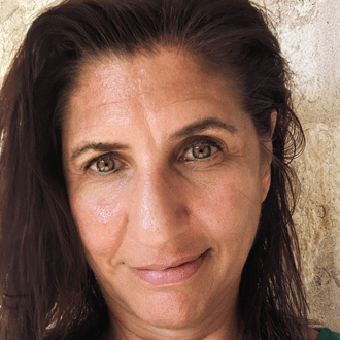
Jen G. Sims is an outsourced ombuds with MWI. She has experience working as an organizational ombuds for industries, including for-profit universities, governmental, and small businesses. She also works as a conference ombuds, helping to ensure conference attendees feel safe and welcome at conferences. Jen has provided conflict management and collaboration services as an external consultant and professional neutral for over 20 years. She has been a mediator both in Hawaii and Texas since 2005. She also has facilitated large complex public policy issues. Previously she was the Staff Ombuds Office for the University of Texas, where she founded this office and directed it for more than six years. She is an ombuds because she believes people want to do good work and be respected. Though conflicts are inevitable, they also offer opportunities for positive change, learning, and professional development. Before becoming an ombuds, she served in various administrative, teaching, and research roles for the Hawaii State Judiciary and the University of Hawaii. Her practice emphasizes informal methods to address situations that aren’t working well for visitors. Jen applies observation skills, deep listening, inquiry, sense-making, and assessment of patterns to uncover possible responses a visitor might consider.
Click here for more information.
Outsourced Ombuds
roy-ombuds@mwi.org
Roy Baroff is an experienced conflict resolution professional who brings extensive understanding and practical tools to his work along with an openness to keep learning. Roy most recently completed 7+ years of service as the faculty and staff ombuds for NC State University in Raleigh, NC. Roy also served a 4-year elected term to the International Ombuds Association (IOA) Board of Directors (2018 – 22). Roy joined the IOA in 2007 when he completed initial organizational ombuds training and obtained the Certified Organizational Ombuds Practitioner (COOP) designation in 2017 (renewed in 2021). In February 2022 Roy served as a trainer for the IOA Foundations course that teaches the ombuds role. He became a Certified Mediator in 1992 for the NC Dispute Resolution Commission Superior Court Mediation program and has retained this certification since then. Roy is a mediation and group facilitation educator and trainer including programs for lawyers, judges, undergraduate and graduate students, and university faculty. He taught conflict resolution courses at UNC Greensboro, UNC Chapel Hill School of Government, and Elon School of law where he currently serves as extended faculty teaching a Negotiations class each year. Roy has a bachelors (BA) degree in Anthropology from the University of North Carolina at Chapel Hill, a masters (MA) degree in Anthropology from the University of South Florida, and a law degree (JD) from UNC Chapel Hill School of Law.
Click here for more information
Outsourced Ombuds
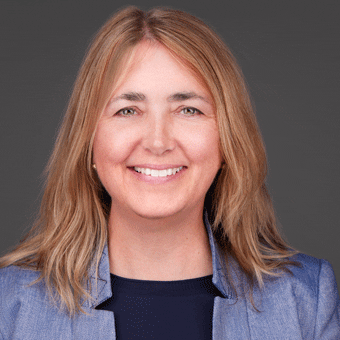
Leslie Nelson-Kellogg is an outsourced ombuds with MWI and brings over fifteen years of experience as a mediator, ombuds, and executive coach, specializing in startup technology companies, universities, and venture firms. Leslie provides dispute-resolution services to high-growth technology companies interested in building resilient work cultures that resolve conflict respectfully. Most recently, Microsoft recruited her to help build a Center of Excellence for resolving highly escalated employee concerns involving harassment and discrimination for over 170,000 employees worldwide across all business groups, including government and military joint projects. She is an Adjunct Professor for Pepperdine University Caruso School of Law Straus Institute for Dispute Resolution and a mediation coach for the University of Washington School of Law Basic Mediation Training. She volunteers as a community, housing insecurity (EERP), and court system mediator and sits on the boards of the King County Dispute Resolution Center and the University of Washington Human Resources Certificate Program. Leslie holds a Bachelor’s from Northwestern University, a Master’s in Dispute Resolution from Pepperdine University Caruso School of Law Straus Institute for Dispute Resolution, Society for Human Resources PHR certification, and is an IOA CO-OP certified Ombuds.
Click here for more information
MWI Ombuds Practitioners adhere to the Code of Ethics and Standards of Practice of The International Ombuds Association (IOA). More information about the IOA can be found at: www.ombudsassociation.org
Download MWI’s Free Article: What to Consider When Selecting an Ombuds
The Role of the Ombuds
Ombuds provide individuals with a forum to raise concerns of abuse, bias, unfairness, and other improper treatment. The ombuds is neither an advocate for any individual or the organization. Rather, the ombuds is an advocate for a fair outcome who connects visitors to information and assists in resolving concerns and conflicts. The ombuds supplements, but does not replace, the organization’s existing resources such as HR, employee relations, and management. Click here to learn more about MWI’s Outsourced Ombuds Services.
Benefits of an Outsourced (External) Ombuds
- True Independence: Due to the fact that they are not employees of the organization, outsourced ombuds are more likely to be perceived as being truly independent. This increases the chance that visitors will reach out to a member of the ombuds team with their concerns.
- Choice and Diversity: MWI provides organizations with at least two ombuds for visitors to choose from. Giving visitors a choice of who to contact leverages the benefits of diversity by offering two ombuds of different genders, races, professional experiences, etc…
- Cost-Effective: An outsourced ombuds provider offers the organization a choice of two or more ombuds to serve the population at a cost that is less expensive than hiring a full-time in-house ombuds since the organization does not pay employee benefits to members of the ombuds team.
- Consistent Coverage: MWI’s team approach also provides our clients with consistent coverage when one ombuds is not available (e.g., when meeting with another visitor, leading a training, facilitating a meeting, or out of the office). Also, MWI’s deep bench of experienced ombuds provides uninterrupted coverage for clients if a member of the ombuds team is unable to serve during the contract period.
For More Information
For more information about MWI’s outsourced organizational ombuds services for your company or academic institution, please contact Chuck Doran, Ombuds and Executive Director, at cdoran@mwi.org or book a time to talk at https://www.calendly.com/chuckdoran/30min