
Difficult Interactions
Concerns involving communication, professional conduct, conflict, or an uncomfortable interaction with another participant.
Independent. Impartial. Informal. Confidential.
The SRCD Conference Ombuds provides a private, off-the-record place to discuss concerns, explore options, and receive guidance during the 2027 Biennial Meeting.
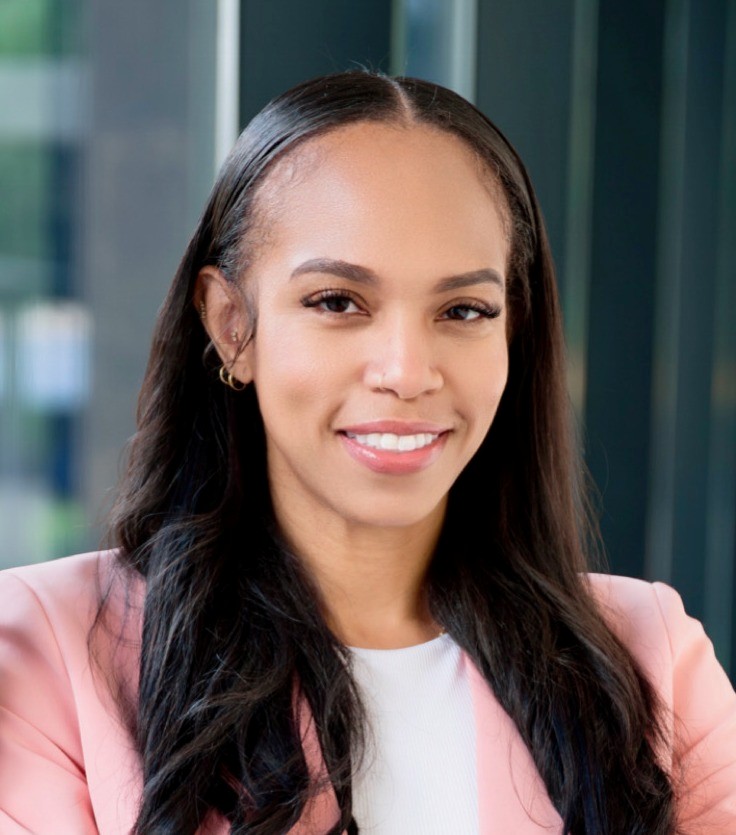
The term “ombuds,” pronounced “ahm-buhds,” comes from a Swedish term meaning “a person who has an ear to the people.”
The Conference Ombuds is an impartial, independent, informal, and off-the-record resource available during the meeting to discuss concerns confidentially. The Ombuds can help visitors understand their options, identify helpful resources, and consider constructive ways to address a conflict or concern.
Visitors may contact the Ombuds regarding concerns such as harassment, discrimination, difficult interactions, professional conduct, accessibility, safety, or possible violations of the SRCD Code of Conduct.
This resource is available to attendees, staff, exhibitors, volunteers, presenters, and anyone participating in the SRCD 2027 Biennial Meeting.
You do not need to have a formal complaint or know exactly what outcome you want. You may contact the Ombuds whenever you are uncertain about how to handle a meeting-related concern.
Concerns involving communication, professional conduct, conflict, or an uncomfortable interaction with another participant.
Concerns involving harassment, sexual misconduct, discrimination, identity-based treatment, or exclusion.
Questions about whether conduct may conflict with SRCD expectations, policies, or meeting standards.
Concerns involving disability access, physical safety, meeting spaces, accommodations, or hotel-related issues.
Questions involving integrity, intellectual property, conflicts of interest, research conduct, or professional boundaries.
A situation may be appropriate to discuss even when you are uncertain how to describe it or whether any policy was violated.
The Ombuds helps visitors better understand a situation, identify options, and determine their own next steps.
Share a concern in a private setting and talk through the circumstances, people involved, and impact of the situation.
Identify possible next steps, relevant policies, available resources, and different approaches you may wish to consider.
Think through how to raise an issue, communicate a concern, or approach a difficult interaction constructively.
Consider practical ways to respond to disagreement, strained professional relationships, or challenging meeting dynamics.
Learn about SRCD policies, reporting channels, meeting resources, and other sources of assistance that may be relevant.
The Ombuds does not direct visitors toward a particular outcome. You remain in control of whether and how to proceed.
Select a question below to learn more about how the resource works.
The Ombuds listens to concerns, helps visitors clarify issues, identifies options, provides information about relevant policies and resources, and supports visitors in developing their own strategies for addressing a situation.
With a visitor’s permission, the Ombuds may also help facilitate an informal conversation or connect the visitor with another appropriate resource.
Attendees, presenters, staff, exhibitors, volunteers, and anyone else participating in the SRCD 2027 Biennial Meeting may contact the Ombuds about a meeting-related concern.
You may discuss almost any meeting-related concern, including:
The Ombuds will provide time and space for you to describe your concern privately. Jai will listen, ask questions, help you clarify what is most important, and work with you to identify options or resources.
You decide what, if anything, you would like to do next.
The Ombuds treats communications as confidential and off the record. Information is not shared without permission unless the Ombuds determines that there is an imminent risk of serious harm or another narrow exception identified in the Ombuds charter applies.
You are encouraged to ask any questions you have about confidentiality at the beginning of the conversation.
Yes. You may contact the Ombuds without providing your name. However, Jai will need a way to contact you if you would like a response or appointment.
No. Contacting the Ombuds does not constitute formal notice to SRCD and does not begin a complaint, investigation, grievance, or disciplinary process.
The Ombuds may explain formal reporting options or refer you to an appropriate SRCD resource, but you decide whether to use those channels.
The Ombuds does not:
Yes. You may contact the Ombuds about a concern affecting another participant or the meeting community, even when the issue does not directly involve you.
When in doubt, you are welcome to reach out and discuss whether the Ombuds resource may be helpful.
A lawyer advocates for a client and may provide legal advice. A Human Resources or employee relations professional may conduct investigations, apply policies, make recommendations, or accept formal notice for an organization. A mediator generally works with multiple parties to resolve a specific dispute.
The Conference Ombuds is an informal, confidential, independent, and impartial resource. The Ombuds helps visitors understand options and navigate concerns but does not advocate, investigate, make decisions, or provide legal advice.
The Ombuds may provide SRCD with general, non-identifying information about the types of concerns raised, recurring themes, systemic issues, and opportunities to improve future meetings.
Summaries do not identify visitors or disclose confidential communications.
Use the confidential form below to ask your question or request a private conversation with Jai. You do not need to determine in advance whether the issue is appropriate for the Ombuds.
Conference Ombuds and Conflict Resolution Consultant
Jai Calloway is an experienced, people-focused ombuds who creates confidential and inclusive spaces where individuals can surface concerns, navigate conflict, and consider constructive ways forward.
Jai previously served as Corporate Ombuds for Halliburton Oil Services and has supported organizations across industries as an external organizational and conference ombuds. She is an alumna of Pepperdine University Caruso School of Law’s Straus Institute for Dispute Resolution.
Her national leadership experience includes serving as Vice-Chair of the American Bar Association Dispute Resolution Section and Chair of the International Ombuds Association Diversity, Equity, Inclusion, and Belonging Task Force.
The SRCD 2027 Biennial Meeting Ombuds operates under an approved charter and follows established professional standards for organizational ombuds practice.
Review the charter approved by the SRCD Executive Director, including the Ombuds role, authority, confidentiality, and operating principles.
View the CharterThe charter incorporates the International Ombuds Association Code of Ethics and Standards of Practice.
View IOA StandardsReview the conduct and compliance expectations that apply to participants in the SRCD Biennial Meeting.
View the Code of ConductUse the form below to ask a question, share a concern, or request a private appointment with Jai during the SRCD 2027 Biennial Meeting. Providing your name and contact information is optional unless you would like Jai to respond.